A Psychiatrist’s View: Why Malaysian Teachers Need Better ADHD Training
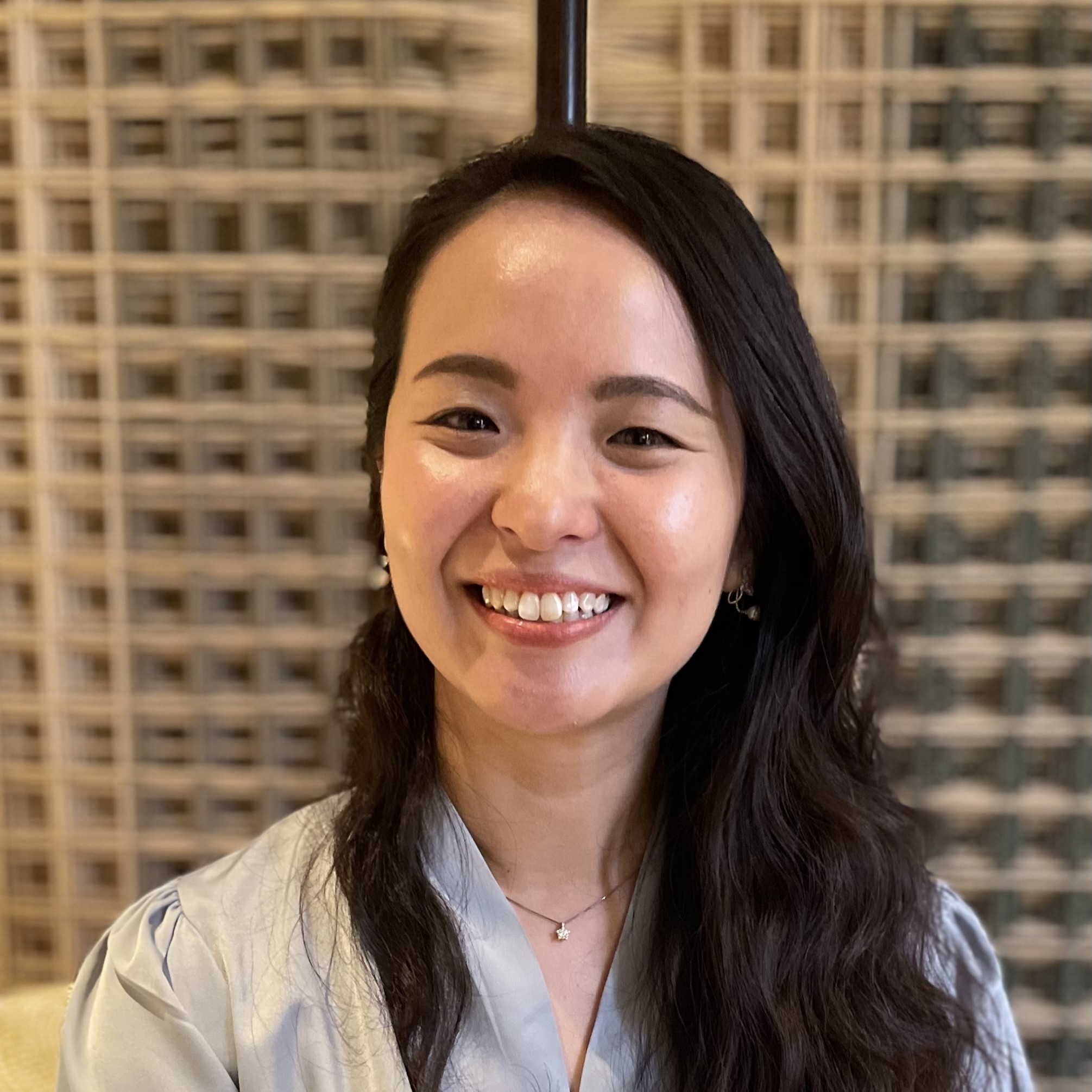

When a school chose understanding over exclusion, something remarkable happened. Dr Shermaine Sim explains what teachers, parents, and children can do together to manage ADHD and why it matters.
Adam was ten years old and had already changed schools twice.
Not because he was unkind. Not because he was unintelligent. But because of something that happened sometimes, without warning, that nobody around him had the language to explain, including Adam himself. He had ADHD with significant sensory hypersensitivity, a combination that meant certain sounds, textures, and emotional atmospheres could overwhelm his nervous system in ways that looked, from the outside, like extreme and unpredictable behaviour.
On an ordinary Tuesday at his new school, his teacher raised her voice at a classmate who had not completed homework. It was a routine moment, the kind that happens in every classroom, every day. But for Adam, the sudden sharp sound hit his nervous system like a physical force. He began to scream. And then he could not stop.
The classroom froze. Other children were frightened. The teacher did not know what to do. Parents were called. The school’s first response was the one that had already happened twice before: a letter suggesting Adam might be better supported elsewhere.
But this time, the principal made a different call. Instead of asking Adam to leave, she asked for help, for Adam, for the teachers, and for the whole classroom community.
What followed changed everything.
What ADHD can look like in the classroom
ADHD does not look the same in every child. The version most people recognise is the child who cannot stay in their seat, yells out, and always seems to be in motion. These are some of the presentations of ADHD . According to the Malaysian Ministry of Health’s Clinical Practice Guidelines, ADHD affects between 1.6 and 4.6 percent of Malaysian children, with global estimates suggesting the figure may be higher still.
The inattentive presentation is quieter and far easier to miss: the child who is physically present but mentally elsewhere, who starts tasks and does not finish them, who seems to lose everything, who takes much longer than peers to process written instructions. These children are rarely disruptive. They are often described as dreamy, slow, or simply not trying hard enough. Without identification, they fall progressively behind.
Some children, like Adam, present with ADHD alongside sensory processing differences or features of autism . Their profile looks very different from either condition alone, and understanding it requires specialist knowledge. Understanding this distinction does not require a clinical degree. But it does require information that most teachers have never been given.
What trained teachers can do differently
Teachers who understand ADHD and sensory differences do not need to become therapists or diagnosticians. They need two things: the ability to recognise signs that a child may benefit from a referral to a formal assessment, and a set of practical classroom adjustments that research shows make a meaningful difference.
When a formal assessment is completed, the resulting report provides a practical map of how a particular child learns and what best supports them. Teachers who receive these reports have space to discuss and implement them. It has been described as transformative,not because the child has changed, but because the teacher finally has a framework for understanding what they were already observing, and tools that actually work.
What happened when Adam’s school chose inclusion
The principal brought in a specialist who consulted with teachers, met with Adam and his family, and then did something that might be the most important part of the whole story: she facilitated a conversation with Adam’s classmates with their parents present.
She explained, in age-appropriate language, that Adam’s brain processed sounds and emotions differently from theirs, that his meltdown had not been something he chose, and that they could all be part of making the classroom a safer place for everyone. The children listened. The parents listened. Questions were asked and answered honestly.
The change was not instant. But it was real.
Adam stopped being the child everyone feared. He became, instead, the child everyone understood. His classmates became protective of him, not in a patronising way, but in the way children naturally support each other when they are given honest information and trusted to respond well. His outbursts have reduced dramatically. He stayed at that school and is doing well.
The referral pathway that needs to exist
Adam’s story is not just about one child. It is about what becomes possible when a school community decides that understanding is more powerful than exclusion.
In Malaysia, there is currently no clear, consistent pathway from a teacher’s concern to a formal assessment. Some schools have counsellors; many do not. Some counsellors have training in neurodevelopmental differences; many do not. Parents are often told to wait or given referrals with waiting times that stretch many months.
What Adam’s school demonstrated is that the system need not be perfect for a school to act with wisdom. A principal who prioritises understanding. Teachers who are willing to learn. Parents who are brought into the conversation as partners. A classroom of children who are trusted to respond with compassion. These exemplary demonstrations can be available in schools across Malaysia right now if we decide they are worth investing in.
Every child in a Malaysian classroom deserves a teacher who understands how their brain works. Every teacher deserves the training and support to make that possible. And every school community has the capacity to choose understanding over exclusion, even when it would be easier not to.
Disclaimer:
The views and opinions expressed in this article are those of the author and do not necessarily reflect the official position of SchoolAdvisor. This content is provided for informational and educational purposes only and does not constitute medical advice, diagnosis, or treatment. We encourage parents to consult with qualified healthcare professionals regarding any neurodevelopmental concerns.
Recent Articles
- Hidden Fees at Budget International Schools in Malaysia: What Tuition Does Not Cover
- Is Preschool Compulsory in Malaysia? What the 13MP Proposes
- International Schools in Klang Valley With Tuition Fees Below RM30,000 in 2026
- Affordable International Schools in Malaysia With Tuition Fees Under RM30,000 in 2026
- Is Malaysia Falling Behind Its ASEAN Neighbours in PISA 2025?