The Differences Between ADHD and Autism

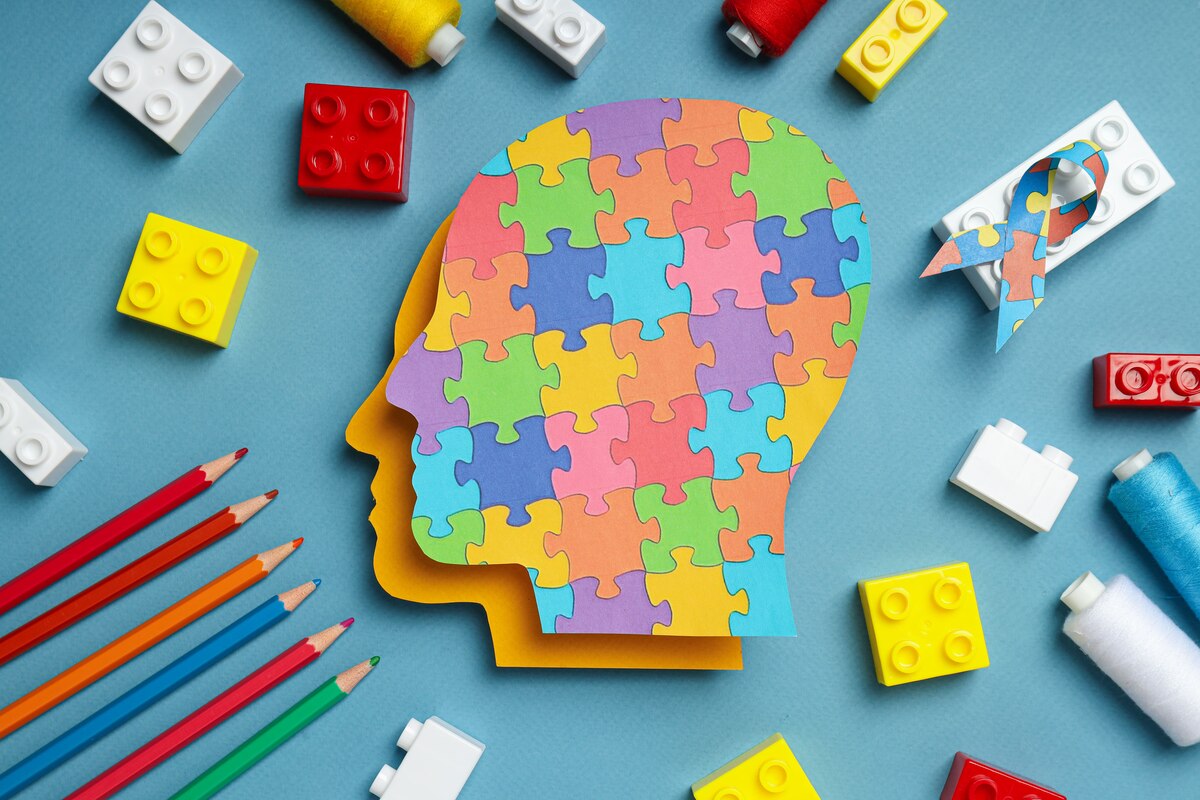
ADHD and Autism are often confused for one another, but they are two distinct conditions that need to be properly idenitifed in order to ensure proper support.
Attention-Deficit Hyperactivity Disorder (ADHD) and Autism Spectrum Disorder (ASD) often share overlapping symptoms; they are distinct neurodevelopmental conditions. In many cases, children may experience both simultaneously, a phenomenon known as comorbidity. However, understanding the core differences between the two is essential for providing the right support and interventions. Here is a breakdown of the primary characteristics that differentiate ADHD from autism.
What is ASD?
ASD is primarily defined by challenges in social communication and interaction. Children on the spectrum may find it difficult to navigate the nuances of verbal and nonverbal communication, such as maintaining eye contact, understanding social cues, or engaging in reciprocal conversation.
Another hallmark of autism is the presence of repetitive behaviours or highly specific interests. This might manifest as physical movements like hand-flapping, a need for strict adherence to routines, or an intense focus on particular topics or objects. These behaviours are often a way for the individual to find comfort or process sensory information in their environment.
Understanding ADHD
ADHD is categorised by a different set of issues, primarily revolving around executive function and self-regulation. The three main pillars of ADHD are hyperactivity, inattention, and impulsivity.
Hyperactivity involves a constant need for movement, often appearing as restlessness or an inability to sit still. Inattention refers to significant difficulty focusing on tasks, following through on instructions, or staying organised. Impulsivity involves acting without thinking, which can lead to interruptions in conversation or difficulty waiting for one's turn.
Key Differences
The fundamental difference between these two conditions lies in the underlying cause of certain behaviours. For ASD, the primary challenges stem from social communication and the need for predictability. A child with autism may avoid social interactions because they find it difficult to interpret social rules or maintain eye contact. Their repetitive behaviours or intense, specific interests often serve as a way to self-soothe or manage sensory input.
In contrast, the challenges associated with ADHD are primarily linked to executive function and the regulation of energy levels. A child with ADHD might struggle in a social setting, not because they lack the desire to connect, but because their hyperactivity makes it difficult to sit still or their inattention causes them to lose the thread of a conversation. While their interests may be intense, they often shift rapidly due to high distractibility, unlike the consistent and specific focus often seen in autism.
While these symptoms are distinct, they frequently overlap or co-occur. However, identifying whether the root cause is a social-communication barrier or an impulse-control issue is key to determining the most effective support. Because both exist on a wide spectrum, professional evaluation is necessary to understand an individual's unique neurodevelopmental profile.
Recent Articles
- Hidden Fees at Budget International Schools in Malaysia: What Tuition Does Not Cover
- Is Preschool Compulsory in Malaysia? What the 13MP Proposes
- International Schools in Klang Valley With Tuition Fees Below RM30,000 in 2026
- Affordable International Schools in Malaysia With Tuition Fees Under RM30,000 in 2026
- Is Malaysia Falling Behind Its ASEAN Neighbours in PISA 2025?