International School Fees in Malaysia: Budget vs Mid-Tier vs Premium - What Are You Paying For?

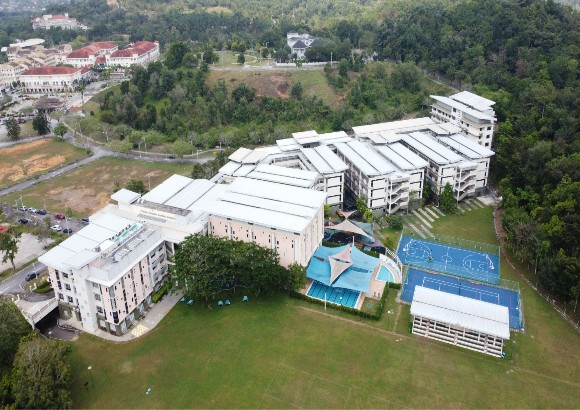
Compare budget, mid-tier and premium international school fees in Malaysia, what drives the cost differences and how to choose a fee level your family can afford.
International school fees in Malaysia can vary by tens of thousands of ringgit a year. One school may charge below RM30,000, while another can exceed RM100,000 for a similar year level.
That does not automatically mean one school is “better” than the other. International-school fee levels are shaped by different operating models, locations, staffing costs, facilities, and the type of families a school serves.
For parents, the more useful question is not simply “Which school is cheaper?” It is “What am I actually paying for, and can I sustain that cost over several years?”
What Are the International School Fee Tiers in Malaysia?
The Malaysian government has no official classification that labels schools as budget, mid-tier, or premium. These terms commonly describe where schools sit in the market, based largely on tuition fees and what they provide.
In practical terms, the three tiers can be understood like this:
A budget school isn't automatically lower quality, just as a premium school isn't automatically the best choice for every child.
The real difference is often what's included around the core academic programme.
Why Do Some International Schools Cost More?
International-school fees can differ because schools operate with different cost structures and market positions. Research from ISC Research and International Schools Services (ISS) points to factors such as staffing, location, facilities, class size, scale and ownership model as contributors to how tuition is set.
The important point is that higher tuition does not automatically mean better education. ISC Research notes that schools in different fee segments can offer similar educational standards while operating with very different cost structures.
Which International School Fee Tier Could Suit Your Family?
The right tier depends largely on what your family expects from the school.
A budget international school may make sense if your main priorities are the curriculum, academic teaching and keeping education costs sustainable over many years. Your child may not need an Olympic-sized swimming pool, extensive performing arts facilities or dozens of extracurricular programmes.
A mid-tier school may suit parents who want a broader experience, including stronger facilities, more activities and additional student support, without paying premium-level fees.
A premium school may appeal to families looking for a more extensive school ecosystem. That could include specialist sports facilities, performing arts, smaller classes, additional learning support, wider subject choices or comprehensive university counselling.
For example, a family paying for extensive sporting facilities may see excellent value if their child is heavily involved in sport. Another family may rarely use those facilities and instead value affordability or academic support more. Affordability matters because school fees are not a one-year commitment.
How Can Parents Decide Which Fee Tier Is Affordable?
Start with the amount your family can realistically sustain every year.
Then work through four questions.
- What is your long-term annual education budget?
Don't base the decision only on current savings or this year's income. - How do fees change as your child gets older?
A school that fits the budget in primary years may become significantly more expensive in secondary school. - What costs sit outside tuition?
NAIS advises parents to ask about additional expenses such as fees, books, supplies, uniforms, trips, transport, clubs and sports. - Which features will your child actually use?
A facility or programme has value only if it matters to your child's education or school experience.
Parents can also use School Advisor's International School Fee Calculator to narrow down schools by budget before comparing curriculum, location, and facilities.
This makes the search more practical: start with what your family can sustain, then choose the best fit within that range.
Frequently Asked Questions
How much do international schools cost in Malaysia?
Fees vary considerably depending on the school, year level, curriculum, facilities and services provided. Parents should compare annual tuition alongside compulsory and additional fees before deciding whether a school fits their budget.
What is the difference between budget and premium international schools?
Budget schools generally focus on providing an international curriculum at a lower fee point. Premium schools may provide more extensive facilities, specialist teachers, smaller classes, broader activities and additional student support.
Why are some international schools in Malaysia so expensive?
Higher fees may reflect teacher recruitment, campus facilities, smaller classes, specialist programmes, extracurricular activities, student support and university counselling. Location and operating costs can also influence fees.
Is a more expensive international school always better?
No. Higher fees usually mean more resources or services, but they don't automatically mean the school is a better fit for every child.
What extra costs should parents budget for besides tuition?
Additional costs may include application and registration fees, deposits, examinations, uniforms, books, transport and activities.
How can I decide which international school fee tier is suitable?
Start with a sustainable annual budget, compare what each school provides within that range and consider which facilities and services your child will actually use. A fee calculator can help narrow the search before visiting or comparing individual schools.
Recent Articles
- International School Fees in Malaysia: Budget vs Mid-Tier vs Premium - What Are You Paying For?
- Hidden Fees at Budget International Schools in Malaysia: What Tuition Does Not Cover
- Is Preschool Compulsory in Malaysia? What the 13MP Proposes
- International Schools in Klang Valley With Tuition Fees Below RM30,000 in 2026
- Affordable International Schools in Malaysia With Tuition Fees Under RM30,000 in 2026