How Much Is Too Much Screen Time?

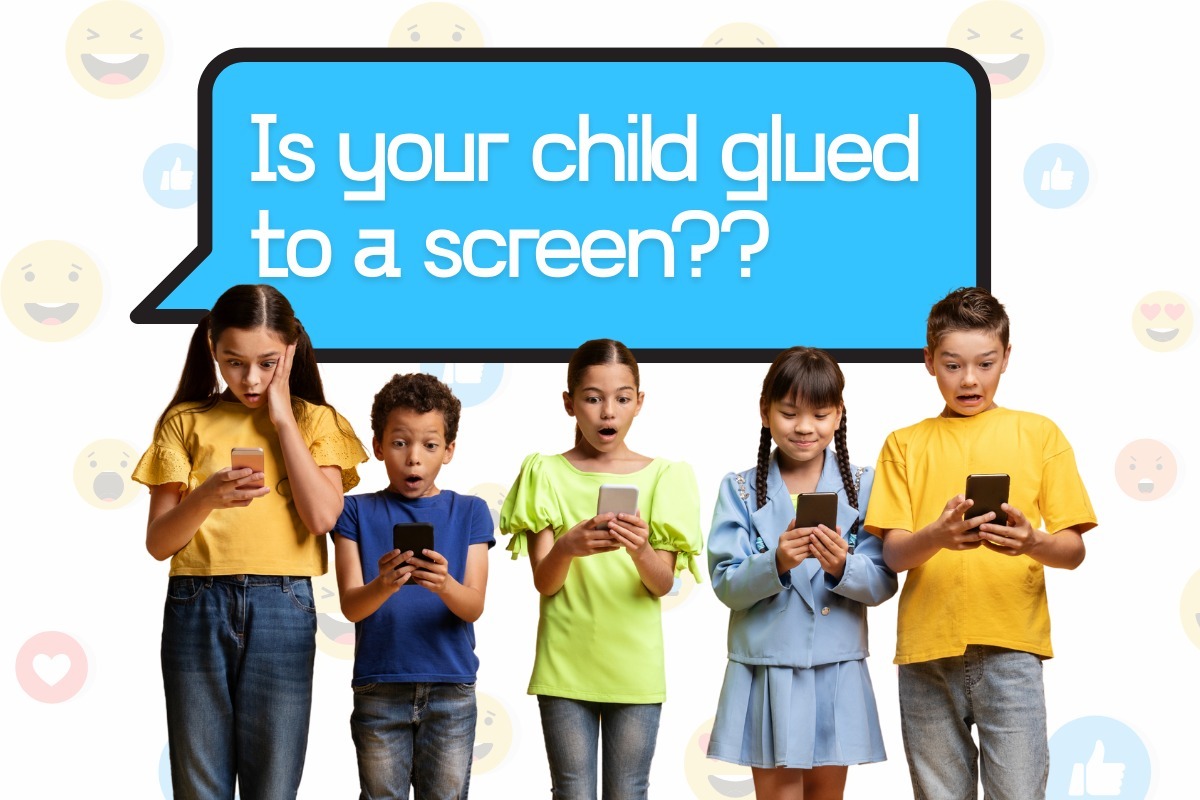
Screens are everywhere. And so, how much is too much?
Screens are now woven into almost every part of a child’s day: YouTube during breakfast, Google Classroom in school, gaming and TikTok at night.
For many parents, the question is no longer “Should my child use screens?” but rather “How much is too much…especially when school itself is becoming more digital?”
As classrooms shift toward blended learning and technology becomes essential for homework and research, knowing your child's healthy screen limits has never been more important.

Data in Malaysia
According to a 2018 survey by the Malaysian Communications and Multimedia Commission (MCMC), roughly 9 out of 10 children aged 5 to 7 are internet users, most of whom use smartphones.
More recently, parliamentary data show that 55.7% of children reportedly spend 1-4 hours daily online, and 60.7% of those children own their own devices.
Concerns are rising; online usage among children in Malaysia is linked to risks such as internet-gaming addiction, mental health issues and exposure to harmful content if not properly supervised.
What paediatricians recommend
According to guidance from the American Academy of Child & Adolescent Psychiatry (AACAP):
- Under 18-24 months: Avoid screens entirely except for video chatting.
- Ages 2-5: Limit about 1 hour per day of high-quality, educational content. Co-view with your child to help them understand what they’re watching.
- Ages 6 and above: No specific hour limit, but experts recommend consistent boundaries, ideally 1-2 hours of recreational screen time daily. Ensure that the screen never replaces their sleep, physical activity, schoolwork, family time or creative play.
Most importantly, experts emphasise that the real priority is balance.
How too much screen time affects learning
With digital tools becoming part of the classroom, many parents assume more screen exposure equals better learning. But that actually isn’t always the case.
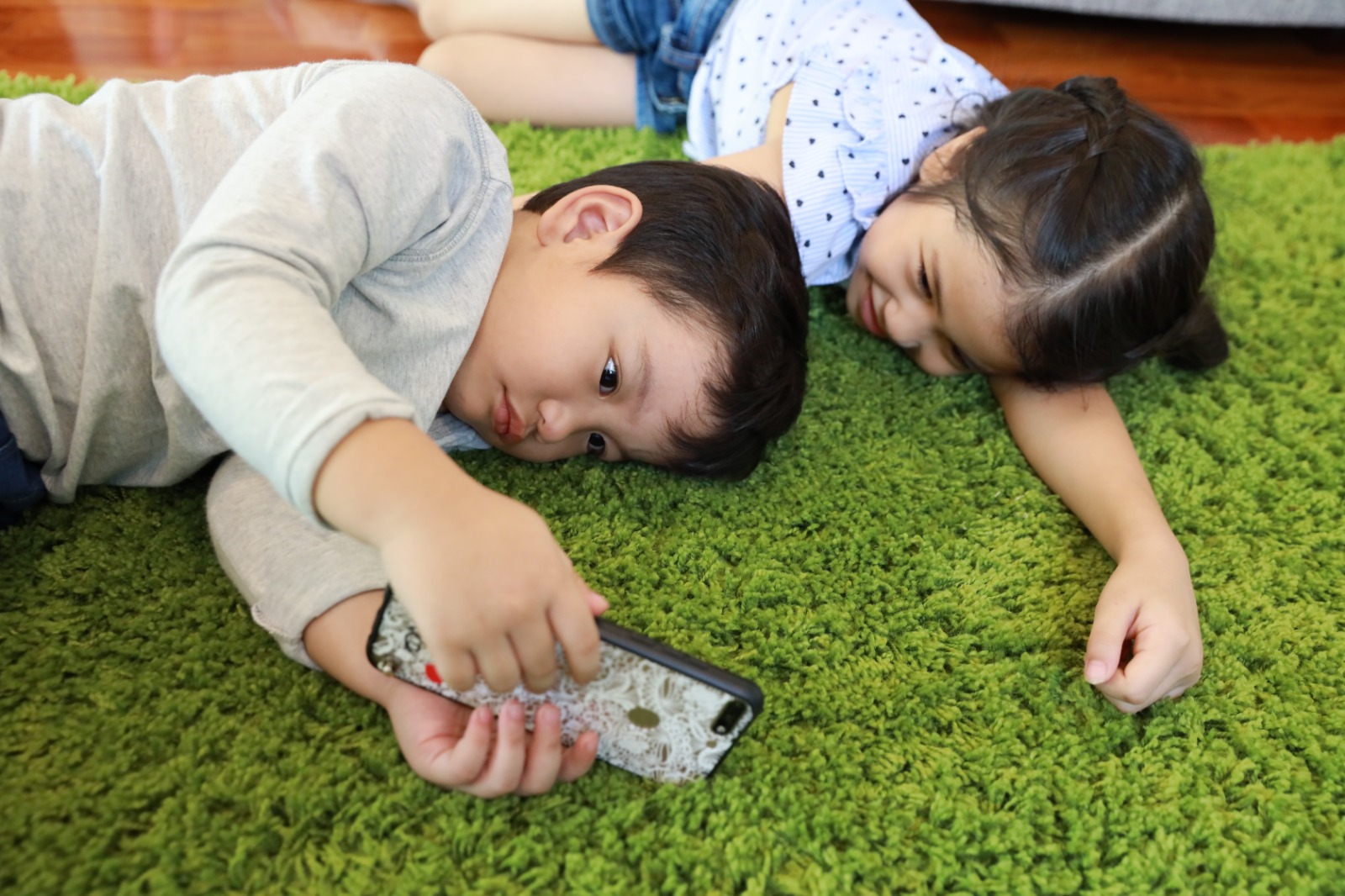
- Reduced attention span: Research shows that children who consume large amounts of fast-paced or passive screen content often struggle with focus. AACAP notes that excessive TV or video viewing can affect a child’s ability to pay attention in school (AACAP, 2025).
- Less reading, less imagination: When screens replace books, AACAP reports that it can directly affect language development and reading ability (AACAP, 2025).
- Disrupted sleep equals poorer performance: Using screens at night suppresses melatonin production, making it harder for children to fall asleep. Poor sleep will affect their memory, concentration and classroom learning the next day.
- Homework interference: If screens are accessible during homework time, children may get distracted and switch tasks frequently, prolonging study time and lowering productivity.
- Less physical activity: Children today already spend long hours sitting in school. Combined with long hours of screen time, sluggishness increases, energy levels drop, and motivation declines.
Research also links excessive screen use with increased risk of anxiety and mood issues, less social interaction and higher chances of obesity due to sedentary habits.
But not all screen time is the same
Instead of counting every minute, experts encourage parents to focus on what kind of screen time children are getting.
- Educational screen time: These include online learning platforms, research for school projects, coding apps and digital textbooks. This type of screen time supports learning, especially when guided by a parent or teacher.
- Passive entertainment: These include watching YouTube, television or scrolling on TikTok. This is where overuse becomes most harmful, especially for younger children.
- Interactive entertainment (games): Games can help with problem-solving, but can also lead to poor sleep and addictive behaviours if unregulated.
- Social screen time: These include messaging friends and video calls. These definitely help connect them with their peers, but parents should set boundaries and privacy guidance.
What experts say parents can do
For parents feeling overwhelmed, experts stress that managing screen time starts not with rules, but with role modelling.
Dr Amelia Inbam Neelagandan, a senior speech and language therapist at Queen Elizabeth Hospital, Kota Kinabalu, explains that children learn by imitation, especially from the adults closest to them.
“When a child sees their hero (parent) holding a gadget, they will eventually play with one themselves in an attempt to be just like their hero.
“Once the child is given a gadget, they will get attached to it, and everything else cannot hold their attention.”
This is why Dr Amelia emphasises that reducing screen dependency doesn’t begin with taking devices away, but with guiding attention elsewhere in a way that feels natural rather than restrictive.
One of the most effective strategies is being a good example.
When parents are seen reading, engaging in hobbies or putting their phones aside during family time, children are more likely to mirror those habits.
Follow age-appropriate screen guidelines
Dr Amelia advises parents to be especially mindful during the early years, when brain development is most rapid.
Dr Ahmad Khawarizmi Aidy, a Paediatric Medical Officer, also adds that for children aged two and below, screen time should not exceed one hour per day, as excessive exposure at this stage can affect sleep patterns, emotional regulation and attention.
Watch for warning signs
According to Dr Khwarizmi, children with excessive screen time may show physical and behavioural changes, including:
- Frequent tantrums
- Difficulty sleeping or settling down earlier at night
- Increased dependency on gadgets to stay calm
Over time, children may become less attentive to their surroundings, require stronger stimulation to stay engaged, and show reduced attention spans, all of which can indirectly impact learning.
Is educational screen time really better?
Both experts agree that educational content can be more beneficial than purely recreational screen use, as it may support learning and creativity.
However, Dr Khwarizmi cautions that excessive screen time, regardless of content, can still lead to similar problems, including eye strain, sleep disruption, reduced physical activity and developmental concerns.
In other words, the amount, content and context all matter.
Creating a healthy digital ecosystem at home
To prevent children from turning to screens out of boredom, Dr Amelia recommends keeping alternative activities readily available, such as toys, colouring materials, busy books, and age-appropriate reading materials, to help regulate their attention, energy and emotions.
As children grow older, Dr Khwarizmi suggests shifting from rigid house rules to family agreements, where expectations around screen use are discussed and understood.
Gadgets can also be used intentionally, for example, as a reward after completing tasks, to encourage discipline rather than dependency.
Final thoughts
Technology is now part of their childhood. But the real question now is not whether children should use screens, but how they use them.
When screen time is balanced with sleep, movement, reading and meaningful family interaction, it becomes a valuable tool in their development.
Without boundaries, however, it quickly becomes a distraction.
This is why guidance from parents, through boundaries and daily habits, makes all the difference.
Recent Articles
- Hidden Fees at Budget International Schools in Malaysia: What Tuition Does Not Cover
- Is Preschool Compulsory in Malaysia? What the 13MP Proposes
- International Schools in Klang Valley With Tuition Fees Below RM30,000 in 2026
- Affordable International Schools in Malaysia With Tuition Fees Under RM30,000 in 2026
- Is Malaysia Falling Behind Its ASEAN Neighbours in PISA 2025?