Should Malaysia Ban Social Media for Under-16s?
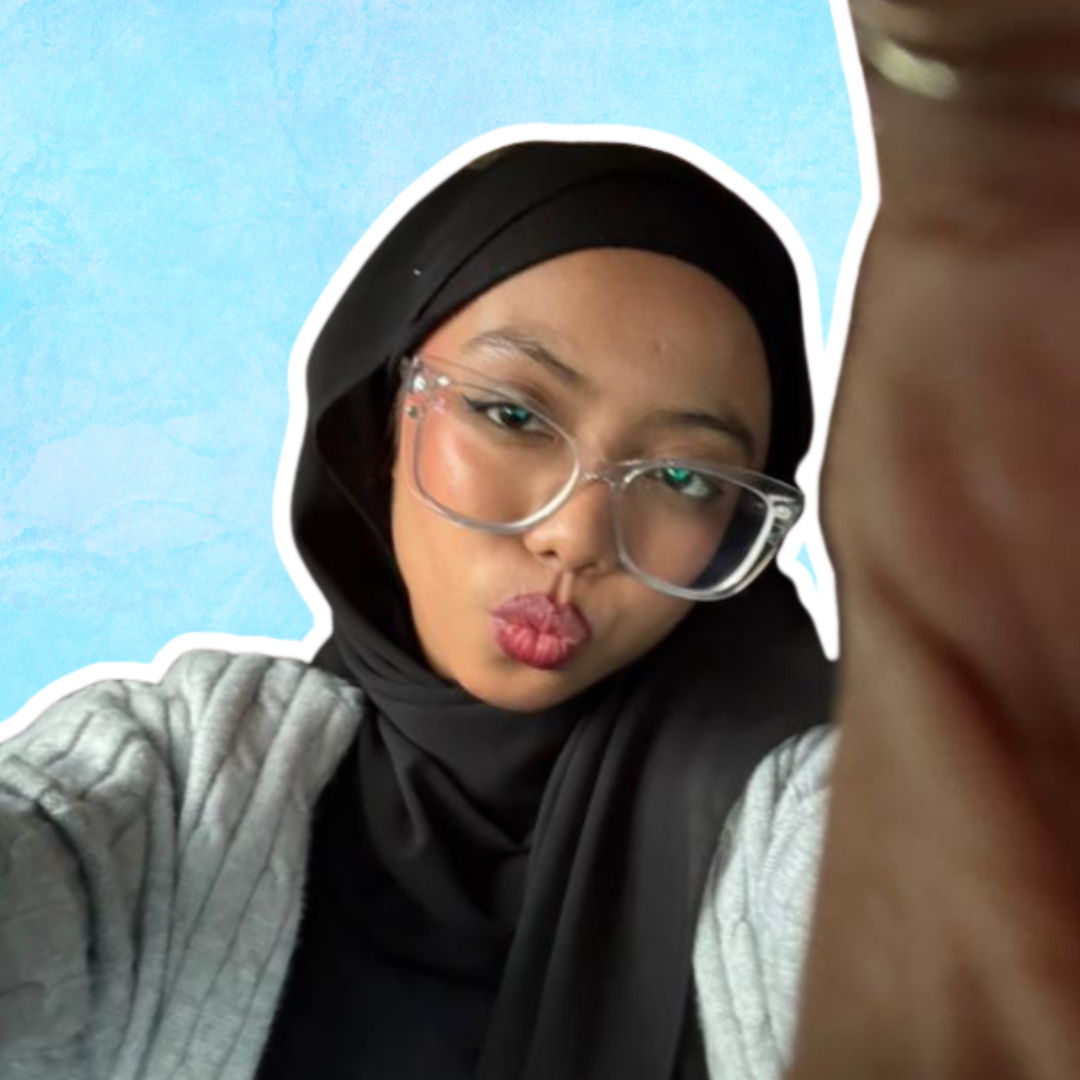
You are 14. Your phone buzzes. Group chat popping. TikTok for study breaks. YouTube is teaching you maths better than your tuition ever did. But then, the government says, “Okay, time’s up, no more social media until you’re 16.
Welcome to Malaysia, 2026.
The proposed social media ban for under-16s was meant to protect kids. But instead, it started a full-blown online debate. Parents clapping. Teens panicking. Everyone is suddenly becoming an expert on childhood development.
So what is really going on here?
Why the Government Says “Enough Is Enough”
The concern isn’t random. It’s been building for years.
Children today are glued to their screens more than ever. Scrolling before they can fully understand what privacy means, sharing before they grasp consequences, and absorbing content not designed for growing minds.
A child psychologist has warned that social media risks go far beyond screen addiction. According to an interview with Free Malaysia Today (FMT), Noor Aishah Rosli said that children often share personal information without realising the consequences, including phone numbers and even home addresses.
The child psychologist added that constant exposure to inappropriate content and cyberbullying can seriously affect a child’s emotional and mental health, especially at a young age.
And it doesn’t stop there.
Prolonged exposure to social media, according to research done by the National Center for Biotechnology Information, can interfere with a child’s social, emotional, and cognitive development. Without enough face-to-face interaction, children may struggle with low self-esteem, shorter attention spans, and weaker real-world communication skills.
In other words, it’s not just about what kids see online. It’s about what they don’t get offline.
What Teens Say About Social Media Banning
Now flip the script.
Based on what we’ve seen across social media platforms, many of the loudest reactions are coming from the very group this ban is affecting: Teenagers. And the one thing they’re most scared of: Isolation.
Scrolling through comment sections and posts, it’s clear that many youths don’t see social media as just memes or viral trends. For them, it’s where they learn new languages, pick up new skills, follow global issues, and discover communities that make them feel understood.
In several posts, teens described the proposed ban as less about protection and more about being silenced. One compared it to having their voice switched off. Another called it a form of digital exile, a sudden removal from spaces where they learn, connect, and express who they are.
Parents Say, “We Have Seen Enough”
Then there are parents like Syaza Nur Balqis Rosdi and Muhammad Haziq Mukhzam Hairiz. This couple fully supports the ban.
For them, the internet is not just information. It is a risk. Pornography, violent material. These things are one click away for many kids, with no one teaching them how to handle them.
For parents, they believe in books. Physical learning, real experiences. not unlimited screen time disguised as education.
When asked whether the ban harms their child socially or academically, Haziq laughs the question off. “Einstein did not have WiFi. Mozart did not scroll TikTok. Martin Luther King did not go viral. Yet they changed the world.”
To them, social media is not essential. It is optional, and dangerous when introduced too early.
Because of this, they believe the government should intervene. Ban harmful sites, run system-wide checks. Do not leave parents alone to fight algorithms they cannot see.
So What Is the Middle Ground?
Both sides are right, and both sides are scared. Kids need protection, but they also need connection.
Perhaps a full digital blackout may not be the answer. Maybe stricter age verification, like eKYC systems, would work. Parents with better tools, platforms with real accountability.
Maybe some features are restricted. Not everything is banned; educational use stays, harmful content goes.
And most importantly, maybe kids should be part of the conversation, not just the subject of it.
This debate is not really about TikTok or Instagram; it’s about how we want kids to grow up.
Shielded or prepared.
Offline or balanced.
Protected or empowered.
Malaysia has a chance to build a safer digital space without shutting the door completely. But only if we listen to everyone: parents, teenagers, educators and psychologists. Not just the loudest voices online.
Whether we like it or not, the internet isn’t going anywhere.
The question is whether we teach kids how to live in it, or just take it away and hope for the best.
Recent Articles
- Hidden Fees at Budget International Schools in Malaysia: What Tuition Does Not Cover
- Is Preschool Compulsory in Malaysia? What the 13MP Proposes
- International Schools in Klang Valley With Tuition Fees Below RM30,000 in 2026
- Affordable International Schools in Malaysia With Tuition Fees Under RM30,000 in 2026
- Is Malaysia Falling Behind Its ASEAN Neighbours in PISA 2025?