How to Foster Children’s Love for Reading

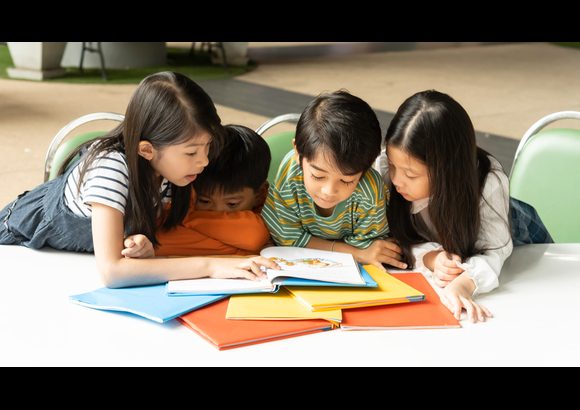
If you grew up disappearing into books for hours, you might have already noticed something worrying. Children today are reading far less than we did.
Malaysia’s National Library reported that only 20 to 30 percent of Malaysians read regularly, and most children now spend more time on screens than on books. UNESCO’s regional data also shows a steady decline in voluntary reading habits among school-aged children across Southeast Asia.
For parents who have lived a thousand lives through stories, this shift feels alarming. We’re raising children surrounded by more words than ever before, yet fewer of them are found in books. Short captions, fast videos, and endless scrolling simply can’t nurture the imagination the way stories once did.
So the real question is: how do we help children rediscover the joy of reading in a world that constantly pulls their attention away?
Why Reading is Crucial for Children
Reading does far more than teach children how to decode words on a page. It shapes how they think, feel, and understand the world. Research consistently shows that children who grow up around books develop stronger language skills, sharper critical thinking, and better emotional regulation. When a child explores different genres, whether it is fantasy, poetry, or simple picture books, they learn to recognise patterns, connect ideas, and make sense of experiences beyond their own.
More importantly, books build empathy. They allow children to step into someone else’s life, understand different cultures, and see the world through perspectives they would never encounter in their daily routines. For many of us, books were our first window into worlds bigger than our own homes.
But this magic doesn’t happen automatically. Children will only fall in love with reading if it feels joyful, not compulsory. This is where adults make the biggest difference. When parents, teachers, and caregivers create a warm and inviting reading experience, they turn books from an academic requirement into something children genuinely want to reach for: a companion, a comfort, and a curiosity waiting to unfold.
The Key Players in Fostering a Love for Reading
A child’s love for reading doesn’t begin with books. It begins with the people who place those books in their hands. Parents, teachers, and caregivers are the emotional anchors in a child’s reading journey, and their influence is far more powerful than any curriculum or classroom strategy. As childhood literacy advocate Dr Nancy Carlsson Paige puts it, “If we treat books like they’re magical, kids will grow up believing that too.” Children don’t fall in love with reading because they’re told to. They fall in love because they see the adults around them treating stories with wonder, curiosity, and delight.
Children learn by imitation. When they watch you curl up with a book, pause to share a line that moved you, or carry a novel in your bag the way others carry their phones, they absorb the message long before you say anything out loud: reading matters.

This emotional foundation is exactly what speech and language therapist Dr Amelia Inbam Neelagandan highlights. She explains that children read best when they feel safe, calm, and connected. “A safe and comforting environment is key to engaging children in reading,” she says. If a child associates books with closeness, a warm lap, a gentle voice, and the sound of pages turning, reading becomes more than an activity. It becomes a feeling. One they will return to, again and again, because it brings comfort, joy, and a sense of being loved.
The First Step Toward Building a Lifelong Habit
The first spark of a child’s love for reading almost always comes from joy. When reading feels lively, playful, and full of discovery, children lean into it naturally. As Dr Amelia explains, “Children learn better when they are enjoying themselves.” Joy is not a bonus in reading - it is the foundation.
This is why interactive reading works so well. Funny voices, dramatic pauses, acting out scenes, or weaving a child’s favourite characters into the story can turn an ordinary book into an experience. Reading becomes something they want to return to, not something they feel pressured to do.
Associate Professor Dr Divya Rose Peter echoes this idea, noting that children are most motivated when their curiosity and emotions are engaged. “When a parent uses expressive voices during story time or invites their child to act out parts of the story, it turns reading into a lively, interactive experience,” she says. This kind of support aligns with Vygotsky’s Zone of Proximal Development, where children grow best when they’re gently challenged without being overwhelmed.

When reading is playful, children begin to see books the way adults see travel: a doorway to new places and possibilities. “The goal is to help children link reading with real-life curiosity,” Dr Divya explains. The more reading feels like exploration, the more children will embrace it.
In her practice, Dr Divya recalls working with an eight-year-old girl who initially resisted reading because she associated it with correction and pressure. Instead of pushing harder, Dr Divya invited her to read about anything she was curious about. They added drawing, role-play, and creative freedom into each session. Slowly, the child stopped viewing reading as a performance and began treating it as an expression. Her fluency grew on its own. Most importantly, she started sharing stories with her friends, a sign that reading had become something she owned, not something she feared.
Her transformation shows a powerful truth: when children feel supported, joyful, and free to explore, reading becomes a lifelong companion.
Building Emotional Connections Through Reading
Reading together is one of the simplest yet most powerful ways to strengthen the bond between a child and the adults who care for them. It is not just about turning pages. It is about presence. Speech and language therapist Dr Amelia explains, “The focus is on the parent-child interaction while looking or reading the book together.” When a child feels safe, seen, and held in these moments, they begin to associate books with warmth and connection; a foundation that is essential for healthy emotional development.
Dr Amelia shares that shared reading even triggers feel-good hormones for both parent and child, especially when physical closeness is involved. A child sitting on a parent’s lap, leaning in to see the pictures, or simply resting against them while listening, reinforces a deep sense of security. Paired with face-to-face interaction, these moments create emotional imprints that no screen can replicate. As she puts it beautifully, “There is no app to replace your lap.”
This emotional rhythm is further strengthened when reading becomes a family routine. Dr Divya notes that habits like bedtime stories, quiet weekend reading, or regular visits to the library send a clear message: reading is something the family values. These small rituals do more than build literacy. They create a sense of comfort, belonging, and togetherness that children carry with them long after childhood.
Creating Spaces that Invoke Curiosity & Joy
A child’s reading journey is shaped not only by what they read, but where they read. The environment sets the emotional tone. “Children’s motivation to read increases when their physical surroundings evoke comfort, curiosity, and autonomy,” Dr Divya explains. When a space feels inviting, children are more willing to explore books on their own.
Small changes at home can transform reading from an obligation into an adventure. Early childhood educator Nur Aidilla Natasha shares that she uses soft cushions, warm lighting, and low shelves to make books feel accessible and friendly. Story props, puppets, and themed baskets add a layer of imagination, turning reading into play. She rotates books frequently, so children feel the thrill of discovering something “new” even in familiar surroundings.

Dr Divya encourages families to bring books into everyday spaces: the living room, the dining table, even the car. When books exist where life happens, children begin to see reading as a natural part of their daily rhythm. Simple habits like sharing a bedtime story, reading a poster aloud, or flipping through a book while waiting for dinner send a quiet but powerful message: reading is woven into the family’s life.
Addressing Aversion to Reading
Of course, not every child warms up to reading immediately. Resistance can appear early; throwing books, avoiding them, losing focus. Sometimes these behaviours stem from developmental factors, which speech and language therapist Dr Amelia urges parents to check first, such as motor skills, vision, and hearing.
But emotional factors matter too. Dr Amelia emphasises that the first goal is to make reading safe and enjoyable, not stressful. “Let children choose their reading material and make reading for fun before schoolwork,” she notes. When reading shifts from pressure to pleasure, children begin to open up.
Choice also gives children ownership. Instead of correcting every mispronunciation or pausing constantly to “teach,” Dr Divya encourages parents to ask reflective, open-ended questions like, “Why do you think the character made that choice?” These gentle prompts invite children to think deeply, make connections, and feel personally invested in the story.
The more a child feels in control, the more grounded and confident they become in their reading journey.
Transforming Reading from a Task to a Lifelong Passion
Nurturing a genuine love for reading is not about speed, difficulty level, or perfect pronunciation. It is about creating an environment where children feel safe to wonder, explore, and express themselves through stories.
When the adults in their lives make reading interactive, warm, and emotionally meaningful, books become more than educational tools. They become companions. They become comfortable. They become portals.
Because between the pages of a book, children discover worlds beyond their own: forests filled with magic, characters who feel like friends, challenges that teach courage, and cultures that broaden their hearts. Reading fuels curiosity, sparks creativity, and teaches children how to think, reflect, and dream.
This is the quiet, enduring power of books. When nurtured with care, reading becomes a lifelong passion, one that shapes not only who children are, but who they have the potential to become.
Recent Articles
- Hidden Fees at Budget International Schools in Malaysia: What Tuition Does Not Cover
- Is Preschool Compulsory in Malaysia? What the 13MP Proposes
- International Schools in Klang Valley With Tuition Fees Below RM30,000 in 2026
- Affordable International Schools in Malaysia With Tuition Fees Under RM30,000 in 2026
- Is Malaysia Falling Behind Its ASEAN Neighbours in PISA 2025?